Am I Addicted Quiz: Quick Self-Check and Next Steps
Answering the question “am I addicted?” starts with looking honestly at how substance use affects your daily life. If someone finds themselves needing a substance to feel normal, hiding how much they use, or continuing despite real consequences, those are signs worth taking seriously. This quiz is not a diagnosis, but it reflects the same patterns clinicians look for when screening for a substance use disorder.

Addiction is a chronic condition that changes how the brain responds to reward, stress, and self-control, and it affects millions of adults across the United States. Recognizing the signs early gives people more options. First Steps Recovery, located in Clovis, California, is committed to serving adults at every stage of this process, from the first moment of uncertainty to long-term recovery, including veterans, members of the LGBTQIA+ community, and those seeking both inpatient and outpatient solutions. Anyone ready to take the next step can explore available treatment programs to understand what care might look like.
Start Here: 12-Question Am I Addicted Quiz
Answer each question honestly with yes or no. There are no right or wrong answers, only honest ones.
"*" indicates required fields
Count the number of “yes” answers before moving to the next section.
What Do Your Answers Mean?
The more “yes” answers someone gives, the more likely their substance use has moved beyond casual or recreational use. Clinicians assess substance use disorders using structured criteria, such as those in the DSM-5 published by the American Psychiatric Association. Diagnosis requires a clinical assessment. Our quiz is a self-reflection tool. Use the key below to understand your results.- 1 to 3 yes answers: Some warning signs for addiction are present. Substance use may be becoming a problem, and it is worth talking to someone about.
- 4 to 6 yes answers: Multiple areas of your life are likely being affected by substance use. A professional assessment is worth considering.
- 7 or more yes answers: These are the kinds of answers people commonly bring to a clinician. Speaking with a treatment professional is strongly recommended.
What to Do if Someone Has an Addiction?

The first step after recognizing a problem is reaching out to a qualified professional. A primary care doctor, a licensed counselor, or an addiction treatment center can conduct a formal assessment and recommend next steps based on the full picture.
Being honest during that assessment matters, including about how much and how often substances are used, whether there are any mental health symptoms, and whether there have been previous attempts to stop. That information shapes the treatment plan. Trying to stop without support, especially with alcohol, opioids, or benzodiazepines, can be physically dangerous. Medical supervision during withdrawal is often the safest starting point.
What Are the Options for Addiction Treatment Programs?

Treatment for substance use disorders is not one-size-fits-all. Effective treatment addresses the whole person, including physical health, mental health, relationships, and daily functioning. The level of care that fits depends on the severity of the addiction, the substances involved, and the person’s living situation.
Common levels of care include:
- Medical detox: Supervised withdrawal management, often the first step for physical dependence
- Inpatient or residential rehab: 24-hour structured care for people who need a stable environment
- Partial hospitalization (PHP): Intensive daytime programming with the ability to return home or to sober living in the evening
- Intensive outpatient (IOP): Structured treatment several days per week, allowing more flexibility
- Outpatient: Lower-intensity ongoing support, often used as a step-down from higher levels of care
The appropriate level of care depends on factors such as the severity of addiction and personal preference. Our team can help you determine which program is right for you during a clinical evaluation.
How Does First Steps Recovery Help?
First Steps Recovery, based in Clovis, California, offers a full continuum of care for adults with substance use disorders and co-occurring mental health conditions. Our facility is accredited by The Joint Commission, certified by LegitScript, and licensed through the California Department of Health Care Services (DHCS), reflecting our commitment to comprehensive, effective treatment for individuals from all backgrounds.
Addiction Treatment Programs at First Steps Recovery
Our programs include medical detox, inpatient care, PHP, IOP, outpatient services, and medication-assisted treatment (MAT). First Steps Recovery also offers specialized programming for veterans, members of the LGBTQIA+ community, and gender-specific treatment tracks, as well as a family program and an online IOP for those in the Sacramento area or elsewhere who need flexible access to care.
Therapies at First Steps Recovery
Therapy is a key part in each of our addiction treatment programs. At First Steps Recovery, our therapy services include:
- CBT
- DBT
- EMDR
- ACT
- Trauma therapy
- Neurofeedback
- Equine therapy
- Experiential therapy
We create custom treatment plans for individuals, combining different therapy modalities to provide effective care tailored to specific conditions and circumstances.
Begin Treatment at First Steps Recovery

Taking a quiz is a starting point, not a finish line. For anyone whose answers raised concern, speaking with a treatment professional is the most useful next step. Our team is available to answer questions and share resources.
The admissions process begins with a call or contact form, followed by a clinical assessment and insurance verification. From there, our team works with each person to identify the right level of care and build a plan that fits their needs. Contact us today to speak with someone about next steps.

Frequently Asked Questions
How accurate are online addiction quizzes?
Online quizzes are screening tools, not diagnostic instruments. They are useful for identifying patterns that may warrant a professional evaluation, but only a licensed clinician can diagnose a substance use disorder using standardized criteria such as those in the DSM-5.
When should someone seek a professional assessment after taking a quiz?
Anyone who answers “yes” to four or more questions on a screening quiz should consider speaking with a clinician. A professional assessment is especially important if physical withdrawal symptoms are present or if substance use is affecting work, relationships, or safety.
Can mental health conditions make addiction worse?
Yes. People with mental health conditions such as depression, anxiety, or PTSD are at higher risk for developing a substance use disorder, and the two conditions often worsen each other when left untreated. This is called a co-occurring disorder or dual diagnosis, and it requires treatment that addresses both conditions at the same time. If you’re concerned about your symptoms, take an anxiety self-assessment quiz to better understand your experiences and determine whether seeking professional support may be helpful.
Does insurance cover detox, inpatient rehab, PHP, or IOP at First Steps Recovery?
First Steps Recovery in Clovis accepts most insurances, including Aetna, Anthem Blue Cross, Kaiser Permanente, Blue Cross Blue Shield, Health Net, TriWest, and Tricare. Coverage varies by plan and level of care. The admissions team can help verify benefits before treatment begins.
How long does addiction treatment usually take?
The appropriate length of treatment depends on the individual, the substances involved, and how they respond to care over time. Longer treatment lengths, often spanning between 60-90 days, can be more effective.
From our certified therapists and nurses to our emotional support animal "Cooper", our entire team is dedicated to the health and success of our clients throughout our program and beyond.
Help Is Available. Speak With Someone Today.
OUR THERAPIES
Variety of Evidence-Based Therapies We Offer
During individual therapy sessions, clients will interact with licensed and trained counselors to work through underlying issues that may be contributing to their drug or alcohol addiction.
Cognitive Behavioral Therapy (also known as CBT) has been clinically proven to help clients with a wide range of problems, including substance abuse.
Dialectical Behavioral Therapy (or DBT) is another common form of talk therapy that is found in many substance abuse treatment programs.
During trauma-informed therapy sessions, clients are able to talk with a specialist who accounts for their past trauma and the way it may have affected their thinking, behavior, and ability to interact with treatment.
Brainspotting is a type of alternative therapy that utilizes spots in a person's field of vision in order to help them process trauma.
Family counseling is one of the best ways to reconnect with family members who are affected by addiction and mend the relationship between a client and their family.
With our treatment approach, we help you get to the deeper roots of what’s driving your addiction. Through sharing and listening, the groups become a source of motivation, accountability, and real change.
OUR PROGRAMS
Offering Innovation & Excellence in Addiction Treatment in California
Medical Detox
Residential Treatment Care (RTC)
Partial Hospitalization Program (PHP)
Intensive Outpatient Program (IOP)
Alumni
ALUMNI TESTIMONIALS
First Choice for Drug & Alcohol Detox in Sacramento and Fresno County
Outstanding
Dayatra L.
Amazing Experience
Melissa B.
Above and Beyond
Bruce G.
Have questions about how our alumni program works? Let's talk.
PAYMENT OPTIONS
Are You Covered for Addiction Treatment?
First Steps Recovery is an in-network provider with most insurance plans! Regardless of where you live, our skilled and compassionate drug treatment counselors at our Sacramento and Fresno facilities can help you and your family get the help you need to get on the road to recovery.


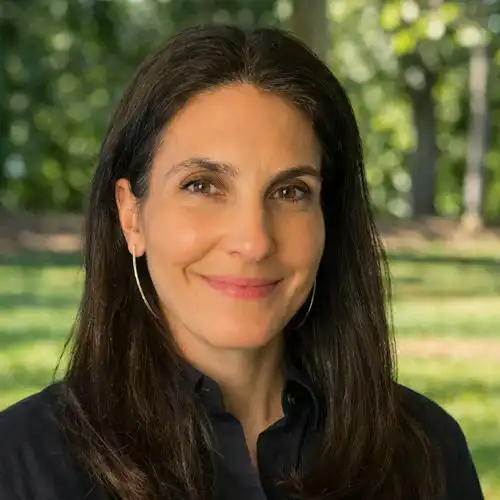
Dr. Belis Aladag is a board-certified physician in Addiction Medicine and Family Medicine, with a Master of Public Health from Johns Hopkins. She brings more than 15 years of experience in clinical care, medical education, and leadership. Recognized as a “Top Doctor” in Sacramento Magazine and Los Angeles Magazine, Dr. Aladag is dedicated to compassionate, evidence-based care and expanding access to mental health and addiction services.