

Have questions about First Steps Recovery? We're here to help.
© Copyright 2023 • First Steps Recovery • All Rights Reserved


Recreational therapy is a form of therapy that utilizes activities and leisure experiences to promote physical, mental, and social well-being. It is often used as a complementary approach to traditional forms of therapy and can be beneficial for individuals with various disabilities, illnesses, or mental health concerns.
One of the primary goals of recreational therapy is to improve an individual’s overall quality of life by increasing their participation in enjoyable and meaningful activities. This type of therapy can also help individuals develop new skills, build self-confidence, and enhance their overall sense of happiness and fulfillment.
Recreational therapists use a variety of interventions and techniques tailored to meet each individual’s specific needs and interests. These activites may include sports, games, arts and crafts, music, outdoor activities, and more. The therapist may also incorporate skill-building exercises or mindfulness therapy into the sessions.
In addition to helping individuals improve their physical and mental well-being, recreational therapy can also be used to facilitate social interactions. By participating in group activities or team-building exercises, individuals can learn valuable communication skills, build relationships with others, and develop a sense of belonging.
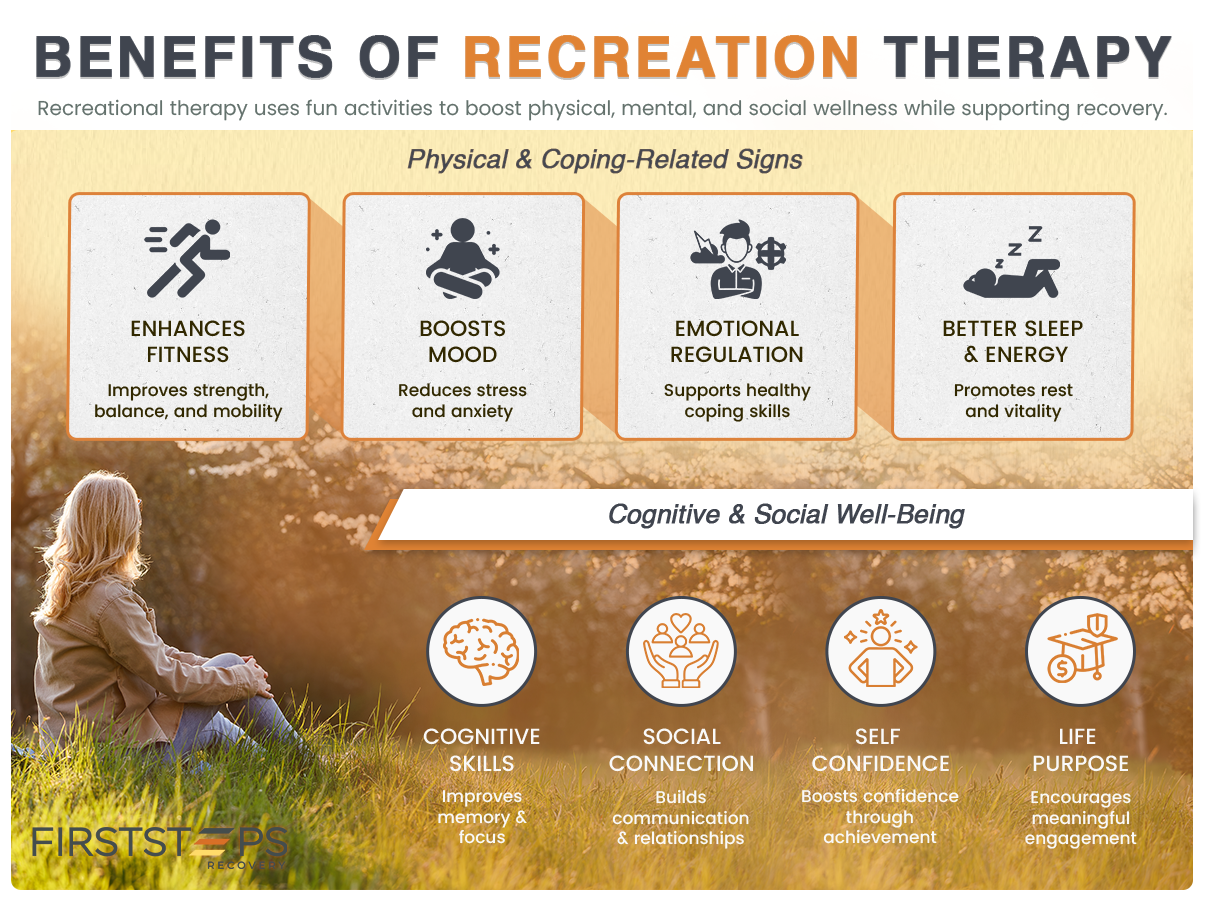
Recreational therapy is a unique approach to treatment that utilizes leisure activities to improve physical, emotional, and cognitive well-being. This type of therapy is often used in conjunction with our substance abuse and mental health treatments in Fresno County.
Some of the benefits of recreational therapy include:
Recreational therapy involves engaging in physical activities such as sports, outdoor adventures, and games designed to help individuals improve their overall physical health. These activities can enhance muscle strength, coordination, flexibility, and endurance.
Engaging in enjoyable activities can boost one’s mood and reduce stress levels. Recreational therapy can be particularly beneficial for individuals dealing with mental health conditions like depression disorders.
Participating in group activities during recreational therapy sessions provides opportunities for individuals to develop social skills such as communication, teamwork, and cooperation. This can be especially helpful for individuals struggling with social isolation or difficulties in interpersonal relationships.
Recreational activities involving problem-solving tasks or memory exercises can help improve cognitive functioning in individuals with neurological conditions or brain injuries.
Recreational therapy allows individuals to engage in activities that promote self-expression, in addition to creative outlets such as art therapy or music therapy. This can be particularly beneficial for those who have difficulty expressing themselves verbally.
Through completing challenges and achieving personal goals during recreational activities, individuals can gain a sense of accomplishment and build self-confidence.
Participating in meaningful leisure activities through recreational therapy can give individuals a sense of purpose and fulfillment in their lives.
Recreational therapy is one of the experiential and evidence-based therapies available at our facilities in Fresno County. Therapeutic treatments can address physical, emotional, social, cognitive, and spiritual needs through enjoyable leisure activities. It has the potential to be an effective form of therapy for individuals of all ages and abilities.
Recreational therapy is a form of treatment that uses recreational activities (such as sports, music, and art) to address physical, emotional, and social needs. When it comes to treating addiction, recreational therapy can be effective in several ways.
One of the main reasons why individuals turn to substance abuse is to cope with stress, negative emotions, or difficult situations. Recreational therapy offers a healthy and positive outlet for these feelings by engaging individuals in enjoyable activities. This can help them develop healthier coping mechanisms to manage their emotions without resorting to drugs or alcohol.
Regular participation in recreational activities can improve an individual’s physical health by promoting exercise and movement. Physical therapy can be particularly beneficial for those struggling with addiction, as substance abuse often takes a toll on the body. Recreational therapy can help individuals regain physical strength and stamina while also releasing endorphins (which can improve mood and reduce cravings).
Addiction often leads to isolation and feelings of loneliness, which can further perpetuate substance abuse. Recreational therapy provides a supportive environment where individuals can connect with others who share similar interests or challenges. This sense of belonging and connection with others can help combat feelings of loneliness and provide a positive support system during recovery.
Substance abuse can damage an individual’s self-esteem and sense of self-worth over time. Engaging in recreational activities allows individuals to achieve goals, build new skills, and experience a sense of accomplishment — all of which can boost self-esteem and confidence.
Recreational therapy encourages individuals to be present in the moment and focus on the activity at hand. By redirecting attention away from negative thoughts or cravings related to substance abuse, individuals can learn how to better manage impulses through mindfulness techniques.
Recreational therapy can be a valuable tool in treating addiction by providing alternative coping mechanisms, promoting physical health, fostering social connection, increasing self-esteem, and encouraging mindfulness.
You may consider seeking recreational therapy if you are experiencing physical, emotional, or cognitive challenges that affect your ability to have sustainable recovery. Recreational therapy can also be beneficial for individuals recovering from injuries or illnesses.
If you have tried other forms of therapy without much success, then recreational therapy may be a suitable option for you. But ultimately, the best way to determine if it’s right for you is by consulting with a professional who can assess your individual needs and preferences. Discuss your concerns and goals with a certified recreational therapist to determine if this form of therapy aligns with your needs and interests.

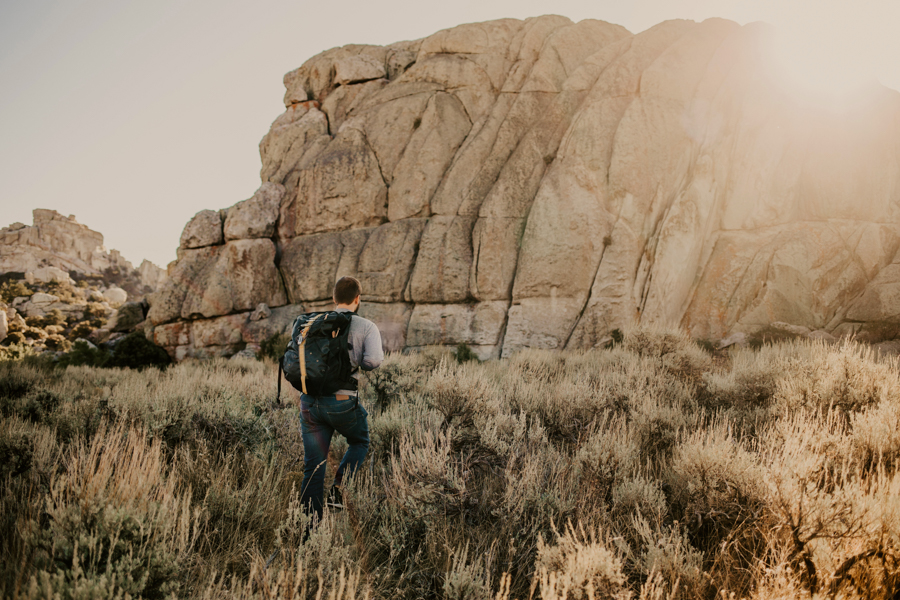
First Steps Recovery is an addiction treatment facility that recognizes the importance of incorporating recreational therapy into our rehabilitation programs. At our facilities, individuals struggling with addiction have access to various types of recreational therapy like hiking, art classes, team sports, and more. These activities are carefully selected and tailored to each individual’s interests and capabilities.
By incorporating recreational therapy into our programs, we strive to provide individuals with a well-rounded experience that addresses both physical and mental well-being. Contact us today to learn more about our treatment options.





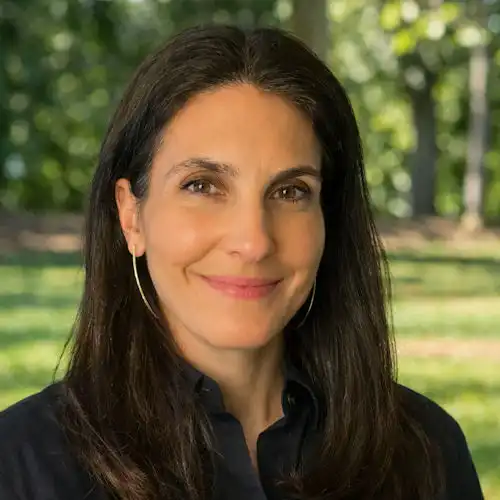
Dr. Belis Aladag is a board-certified physician in Addiction Medicine and Family Medicine, with a Master of Public Health from Johns Hopkins. She brings more than 15 years of experience in clinical care, medical education, and leadership. Recognized as a “Top Doctor” in Sacramento Magazine and Los Angeles Magazine, Dr. Aladag is dedicated to compassionate, evidence-based care and expanding access to mental health and addiction services.