



Have questions about First Steps Recovery? We're here to help.
© Copyright 2023 • First Steps Recovery • All Rights Reserved
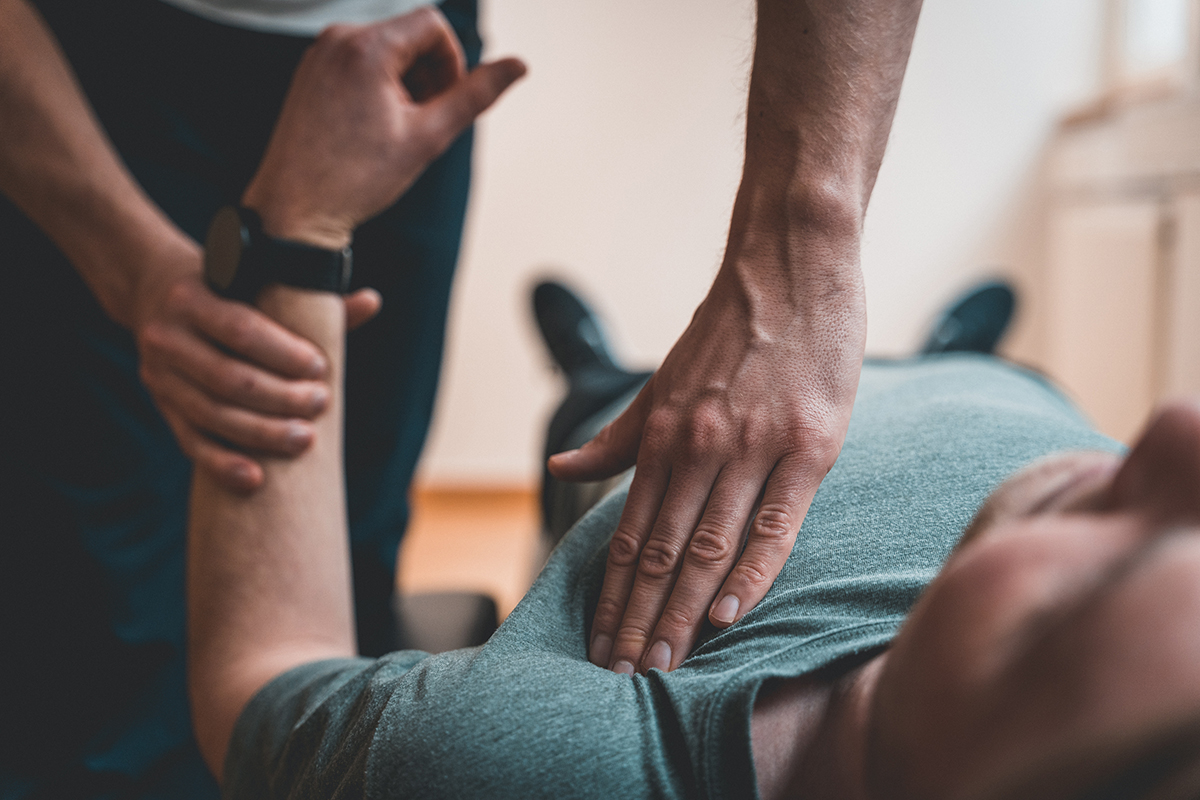
Addiction is a disease that leaves people physically and mentally depleted. It affects all organs of the body, saps the immune system and damages the respiratory system. Lack of rest and good nutrition are another problem and contribute to the deterioration of health.
Many people arrive in treatment extremely underweight and undernourished, with poor muscle tone, skin problems, thinning hair and dental issues. These are just some of the physical symptoms.
It’s not just the body that suffers from addiction. Drugs alter the brain, depriving it of essential oxygen and affecting the levels of neurochemicals that are vital to keeping mental balance. Drugs effectively rewire the brain, resulting in feelings of depression, anxiety, fatigue, “brain fog”, short term memory loss, and more. Over time, these changes can become permanent.
Poor nutrition also takes a toll on the brain. The brain needs a constant supply of high-quality proteins and nutrients in order to function properly.
Addiction affects all organs of the body, saps the immune system, and damages the respiratory system. Lack of rest and good nutrition due to addiction can also contribute to the deterioration of health.
Recovery isn’t just about not using drugs and alcohol. It is about recovering your body, mind, and spirit as your own. Addiction takes a toll on all areas of life. When a person arrives in treatment, they are in desperate need of care and healing.
In order for recovery from addiction to be successful, attention must be paid to health and wellness. It isn’t just about putting on some weight. Wellness encompasses nutrition and supplementation, exercise, and mental health.
Addressing these areas can dramatically improve the success rate of recovery. Staying clean and sober when you are feeling healthy, energetic, and positive is much easier than when you are feeling sick, fatigued, and depressed.
The effects of drug and alcohol abuse don’t go away overnight. Studies show it takes at least a year for the body and mind to recover and get back to a baseline level. It can often take longer than that, depending on the individual’s drug use and lifestyle. The body tends to recover relatively quickly, but the brain can take much longer.
There are ways to speed up this process, starting with optimum nutrition. Nutrition can play a huge part in the success of recovery. Maintaining a healthy weight and getting the proper amount of vitamins, minerals, and proteins are all essential to repairing the damage done by drug use.
Many people don’t get enough nutrients in their diets. For people who have been using drugs, it often for years, this is doubly the case. Not only have they been depriving their bodies of what they need, but they have also been consistently flooding their system with toxins.
Good nutrition should start immediately, as early as the medical detox stage. In some cases, supplementation with vitamins can even help the detox process. Certain vitamins and supplements can help boost energy and improve mood. This is important, because the first few weeks of recovery are important for building a good foundation. It is much easier to make progress when you are feeling well.
Proteins and healthy fats can help rebuild muscle and tissues that have deteriorated. Adequate amounts of foods rich in these essential fats and proteins can dramatically help speed healing of the brain, allowing for better overall functioning. It can be surprising how quickly a person can see and feel improvement in their energy levels, mood, appearance, and overall well-being once they start eating with proper nutrition.
Exercise shouldn’t be overlooked as an important element of recovery from drug and alcohol use. Regular and varied physical activity helps increase oxygen to the bloodstream and brain. It releases endorphins, improving mood and energy. It helps work the respiratory system. Maintaining regular exercise helps builds strength, endurance, and personal confidence.
Simple activities (such as walking) should be started right away in addiction. Other activities, such as swimming, aerobic exercise, and weight training should also start early on. These activities not only help to improve health in the short term, but they also help build healthy habits that can last a lifetime.
If you or a loved one is struggling with addiction, help is a phone call away. First Steps can help you overcome addiction with a personalized treatment program that works for you. Call us today to get started.
Have questions about our experiential therapies? Let’s talk.
Experiential therapy is a form of therapy that encourages patients to confront and explore their emotions through experiences, hence the name. It’s not your typical sit-down-and-talk kind of therapy.
Equine therapy works with clients that have behavior issues, autism, and developmental disabilities and works with vets suffering from PTSD.
Recreation recovery is a new way of living life. Living clean and sober opens people up to whole new ways of having fun and enjoying life.
Physical wellness plays a huge part in the success of recovery. Maintaining a healthy weight, and getting the proper amount of vitamins, minerals, and proteins are all essential to repairing the damage done by drugs and alcohol.
Mindfulness therapy is a type of therapy that focuses on learning to notice thoughts, feelings, and surroundings without automatic responses.
Dayatra L.
Melissa B.
Bruce G.
Have questions about how our alumni program works? Let's talk.








Dr. Belis Aladag is a board-certified physician in Addiction Medicine and Family Medicine, with a Master of Public Health from Johns Hopkins. She brings more than 15 years of experience in clinical care, medical education, and leadership. Recognized as a “Top Doctor” in Sacramento Magazine and Los Angeles Magazine, Dr. Aladag is dedicated to compassionate, evidence-based care and expanding access to mental health and addiction services.
Have questions about First Steps Recovery? We're here to help.
© Copyright 2023 • First Steps Recovery • All Rights Reserved