Does Insurance Cover IOP or PHP?
WHAT TO EXPECT
Yes, most private health insurance plans cover both intensive outpatient programs (IOP) and partial hospitalization programs (PHP) as behavioral health benefits. Coverage details, including what a person pays out of pocket, depend on the specific plan.
First Steps Recovery, located in Clovis, California, offers both IOP and PHP for adults working through substance use disorders and co-occurring mental health conditions. Our facility is accredited by The Joint Commission, certified by LegitScript, and licensed by the California Department of Health Care Services (DHCS). Adults from all backgrounds, including veterans and members of the LGBTQIA+ community, can benefit from our addiction programs.

How Does Insurance Coverage for IOPs and PHPs Work?
Most private insurance plans are required to cover intensive outpatient programs and partial hospitalization programs under their behavioral health benefits. Federal law requires most health plans that cover substance use disorder treatment to cover it on the same terms as medical or surgical care, and many plans include outpatient rehab as a covered benefit. This means that if a plan covers outpatient surgery, it generally must also cover outpatient addiction treatment under comparable terms. PHPs and IOPs both fall within this protected category.
Coverage is not automatic or unlimited. Plans may require prior authorization, limit the number of covered sessions per year, or apply different cost-sharing rules depending on whether a provider is in-network or out-of-network. Reviewing the Summary of Benefits and Coverage document is the clearest way to understand what a plan actually pays for.
Is Online IOP Covered the Same Way?
In many cases, yes. Telehealth coverage for IOP expanded significantly following federal policy changes during and after the COVID-19 public health emergency.
First Steps Recovery offers an online IOP and PHP program that extends access to individuals in the Sacramento area and beyond. Whether online IOP is covered at the same rate as in-person care depends on the specific plan; verifying telehealth benefits directly with the insurer before starting is recommended.
How Do Outpatient Behavioral Health Benefits, Prior Authorization, and Medical Necessity Work?

Most plans cover outpatient behavioral health services through a dedicated benefit category, separate from general medical benefits. Before treatment begins, insurers typically require confirmation that the requested level of care is medically necessary for the individual. This process is called prior authorization, and it applies to both PHP and IOP in most cases.
Prior authorization is not a guarantee of continued coverage. Insurers may conduct ongoing reviews, called concurrent reviews, to confirm that the level of care remains appropriate as treatment progresses. Missing a review deadline or failing to submit required documentation can result in a denial of benefits for that period.
What Does Medical Necessity Mean for an IOP or a PHP?
Medical necessity means that a licensed clinician has determined that a specific level of care is required based on the individual’s clinical condition. Placement decisions are typically based on factors such as withdrawal risk, co-occurring conditions, stability of the living environment, and the individual’s ability to engage in treatment.
For IOP, a person generally needs structured support several days per week but does not require 24-hour supervision. For PHP, the clinical picture is more acute, typically requiring daily programming without overnight residential care. A clinical assessment at intake determines which level is appropriate.
What if Coverage Is Limited or Unavailable?
If a plan denies coverage or limits benefits, the insured person has the right to appeal. According to the U.S. Department of Health and Human Services, insurers are required to provide a written explanation for any denial and must offer an internal and external appeals process. Parity violations, where mental health benefits are more restricted than medical benefits, can also be reported to state insurance regulators.
Sliding-scale fees, state-funded programs, and financing options may be available when insurance coverage falls short. Our admissions team at First Steps Recovery can often help identify alternatives during the verification process.
What Will You Pay Out-of Pocket?
Even with insurance coverage, most people pay some portion of their treatment costs directly. The three main cost-sharing structures are:
- Copays: A flat fee per visit or service
- Coinsurance: A percentage of the allowed amount
- Deductibles: The amount paid out of pocket before insurance begins covering costs
All three can apply to IOP and PHP. The actual dollar amount of out-of-pocket costs depends on whether the provider is in-network, how much of the deductible has already been met for the year, and the plan’s coinsurance rate for behavioral health services. Reviewing the insurance card and the plan’s Summary of Benefits before starting treatment gives the clearest picture of expected costs.
How Do Deductibles and Out-of-Pocket Maximums Work?
A deductible resets each plan year, typically on January 1. If treatment begins early in the year, the full deductible may apply before insurance starts paying. Once the deductible is met, coinsurance applies until the out-of-pocket maximum is reached, at which point the plan covers 100 percent of covered services for the remainder of the year.
For someone entering a PHP or an IOP mid-year with a partially met deductible, costs can be significantly lower than for someone starting in January. Checking the current deductible balance with the insurer before admission helps avoid unexpected bills.
What Should You Ask Your Insurer About Outpatient Rehab Insurance?

Calling the member services number on the insurance card before starting treatment is the most reliable way to understand coverage. Insurers are required to answer benefit questions, and getting answers in writing or noting the date, time, and representative name during the call provides documentation if a dispute arises later.
Asking specific questions, rather than general ones, produces more useful answers. “Is PHP treatment covered?” is less useful than “What is my coinsurance rate for partial hospitalization at an in-network provider, and is prior authorization required?”
How Does First Steps Recovery Verify Your Benefits?
Our team at First Steps Recovery can help you navigate insurance for addiction treatment. We work with many major insurance carriers to help adults access outpatient treatment. Our admissions team can contact the insurer directly to confirm in-network status, check prior authorization requirements, and identify what cost-sharing will apply. This process is handled on behalf of the individual, reducing the burden during an already difficult time.
All outpatient programs at First Steps Recovery, including PHP and IOP in Clovis, are licensed by the California Department of Health Care Services (DHCS). This credential is relevant to insurance verification because insurers typically require that a facility hold current state licensure before approving benefits. Accreditation by The Joint Commission and LegitScript certification further support the verification process with most carriers.
Begin Treatment at First Steps Recovery

First Steps Recovery provides addiction treatment in Clovis, California, serving adults with substance use disorders and co-occurring mental health conditions. Understanding insurance coverage is one part of the decision to seek treatment. Our admissions team at First Steps Recovery is available to walk through benefit verification, explain what to expect at each level of care, and help determine which program fits the clinical and logistical needs of the individual. Contact us today to take the first step.
Frequently Asked Questions

Does the Mental Health Parity Law require my plan to cover IOPs or PHPs?
The MHPAEA requires most group health plans to cover mental health and substance use disorder treatment under terms no more restrictive than those applied to medical or surgical benefits. This means that if a plan covers comparable outpatient medical services, it generally must also cover IOP and PHP. Grandfathered individual market plans and some small employer plans may be exempt; checking with the insurer or a benefits attorney clarifies whether parity protections apply.
Can Medicare or Medicaid cover a PHP or an IOP?
Medicare Part B may cover partial hospitalization programs provided by a hospital outpatient department or a community mental health center for people who meet certain requirements, according to the Centers for Medicare and Medicaid Services (CMS). Medicaid coverage for IOP and PHP varies by state, as states have flexibility in designing their behavioral health benefits. Individuals covered by either program should contact their plan or a benefits counselor to confirm what outpatient addiction treatment services are covered in their state.
How many hours per week is IOP for insurance purposes?
According to ASAM criteria, IOP for adults involves 9 to 19 hours of structured clinical programming per week, which many programs schedule across three or more days. PHP involves more intensive programming, generally 20 or more hours per week. Insurers use these thresholds, along with clinical documentation, to determine whether the level of care billed matches the services provided.
Will using out-of-network benefits increase what I pay?
In many cases, yes. Whether a provider is in network or out of network mainly affects how your costs are calculated. In-network providers have agreed-upon rates with your insurer, which usually means more predictable costs.
Out-of-network benefits often come with separate deductibles and different coinsurance rates, and the provider may bill you for the difference between their rate and what your insurer allows, known as balance billing. Verifying your benefits before starting treatment is the most direct way to understand what you’ll pay with either option.
How quickly can someone start a PHP or an IOP after benefits are verified?
Admission timelines depend on the insurer’s prior authorization process and the treatment center’s intake schedule. In many cases, once prior authorization is approved and a clinical assessment is completed, admission can occur within a few days. The admissions team at First Steps Recovery can provide a more specific timeline based on the individual’s plan and clinical needs.
References
- https://www.dol.gov/agencies/ebsa/laws-and-regulations/laws/mental-health-parity
- https://www.hhs.gov/healthcare/about-the-aca/cancellations-and-appeals/index.html
- https://medicare.gov/coverage/mental-health-care-partial-hospitalization
- https://www.kff.org/medicaid/state-indicator/medicaid-behavioral-health-services-partial-hospitalization/
- https://hcpf.colorado.gov/sites/hcpf/files/ASAM-Fourth-Ed-Disseminate-Summary.pdf
From our certified therapists and nurses to our emotional support animal "Cooper", our entire team is dedicated to the health and success of our clients throughout our program and beyond.
Help Is Available. Speak With Someone Today.
OUR THERAPIES
Variety of Evidence-Based Therapies We Offer
During individual therapy sessions, clients will interact with licensed and trained counselors to work through underlying issues that may be contributing to their drug or alcohol addiction.
Cognitive Behavioral Therapy (also known as CBT) has been clinically proven to help clients with a wide range of problems, including substance abuse.
Dialectical Behavioral Therapy (or DBT) is another common form of talk therapy that is found in many substance abuse treatment programs.
During trauma-informed therapy sessions, clients are able to talk with a specialist who accounts for their past trauma and the way it may have affected their thinking, behavior, and ability to interact with treatment.
Brainspotting is a type of alternative therapy that utilizes spots in a person's field of vision in order to help them process trauma.
Family counseling is one of the best ways to reconnect with family members who are affected by addiction and mend the relationship between a client and their family.
With our treatment approach, we help you get to the deeper roots of what’s driving your addiction. Through sharing and listening, the groups become a source of motivation, accountability, and real change.
OUR PROGRAMS
Offering Innovation & Excellence in Addiction Treatment in California
Medical Detox
Residential Treatment Care (RTC)
Partial Hospitalization Program (PHP)
Intensive Outpatient Program (IOP)
Alumni
ALUMNI TESTIMONIALS
First Choice for Drug & Alcohol Detox in Sacramento and Fresno County
Outstanding
Dayatra L.
Amazing Experience
Melissa B.
Above and Beyond
Bruce G.
Have questions about how our alumni program works? Let's talk.
PAYMENT OPTIONS
Are You Covered for Addiction Treatment?
First Steps Recovery is an in-network provider with most insurance plans! Regardless of where you live, our skilled and compassionate drug treatment counselors at our Sacramento and Fresno facilities can help you and your family get the help you need to get on the road to recovery.


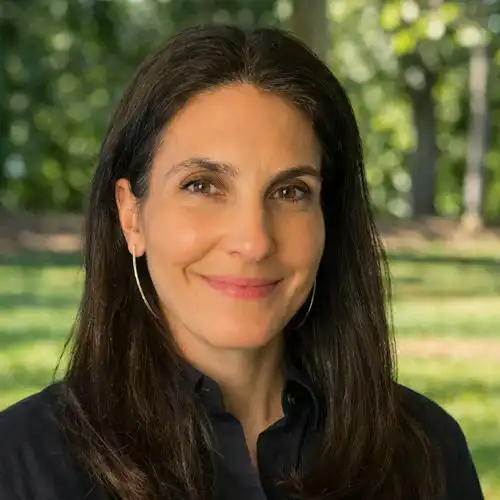
Dr. Belis Aladag is a board-certified physician in Addiction Medicine and Family Medicine, with a Master of Public Health from Johns Hopkins. She brings more than 15 years of experience in clinical care, medical education, and leadership. Recognized as a “Top Doctor” in Sacramento Magazine and Los Angeles Magazine, Dr. Aladag is dedicated to compassionate, evidence-based care and expanding access to mental health and addiction services.