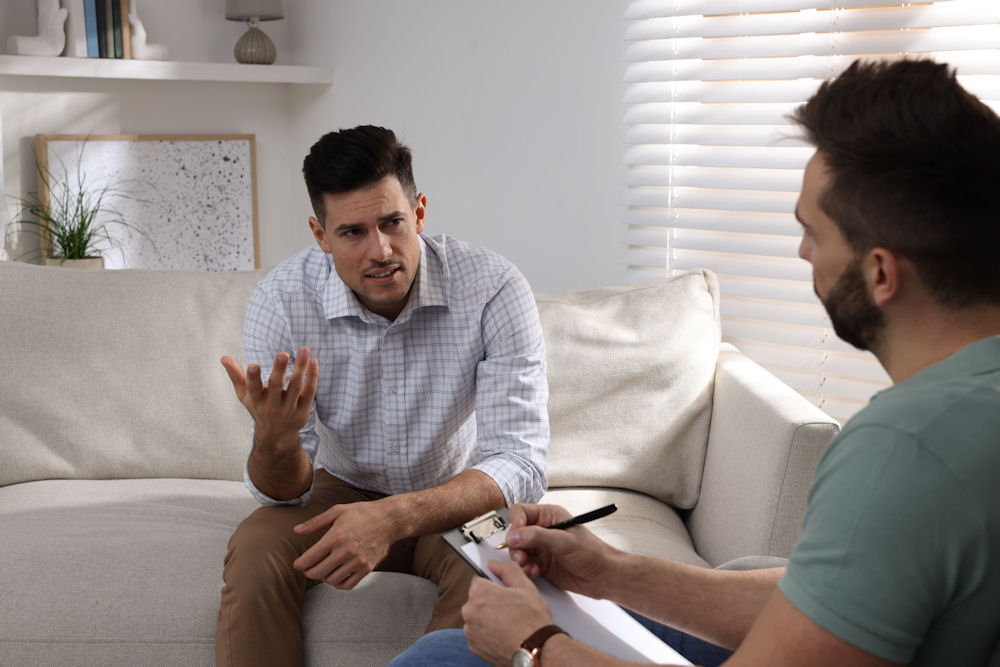

Young man discussing anxiety disorder with therapist

Does Anxiety Ever Go Away?

Picture of Dr. Belis Aladag MD, MPH, FASAM

Dr. Belis Aladag MD, MPH, FASAM

Anxiety disorders but respond well to treatment. With the right approach, most people find substantial relief — and many see their symptoms disappear completely. But many people living with persistent worry ask the question: does anxiety ever go away?

The answer starts with understanding the difference between everyday anxiety and an anxiety disorder. Temporary feelings of anxiety usually fade once the stressful situation passes. But anxiety disorders (affecting about 40 million U.S. adults) need more focused treatment to improve. Generalized anxiety disorder, panic disorder, and social phobias are the most common forms of anxiety disorders.

Treatment makes all the difference. Cognitive behavioral therapy (CBT) can work especially well. Research from the National Institute of Mental Health shows that 50-60% of people improve significantly within the first year. Combine CBT with other proven approaches (including medication when necessary) and success rates climb even higher.

If you’re in recovery from addiction, living with an anxiety disorder can feel more complicated. But it is still very treatable. The key is treating both conditions at the same time. First Steps Recovery specializes in treating anxiety disorders alongside addiction, using individualized approaches that recognize each person’s specific circumstances.

Does Anxiety Go Away?

Research shows that 77.8% of people achieve remission from an anxiety disorder, meaning that symptoms either disappear entirely or become manageable enough that they no longer interfere with daily life.

Anxiety recovery outcomes can be described as follows:

  • Complete remission: The person’s symptoms disappear completely for long stretches, and they can function without any anxiety holding you back.
  • Partial remission: the person’s symptoms improve significantly, though some worry or tension might return during stressful times.
  • Managed anxiety: The person still has symptoms, but treatment and coping strategies keep them from interfering with work or relationships.

Remission from an anxiety disorder isn’t always permanent. About 52% of people stay symptom-free long-term without developing other mental health conditions. Knowing what recovery can look like help someone set realistic expectations.

What is the Difference Between Normal Anxiety and Anxiety Disorders?

Normal anxiety can protect someone during stressful situations, keeping them aware and alert of potential danger. You might feel nervous before a job interview, a doctor’s appointment, or a big financial decision. That kind of anxiety usually fades once the stressful moment passes.

Anxiety disorders mean persistent worry lasting six months or longer. Nearly 1 in 3 adults will experience an anxiety disorder at some point. The worry tied to these disorders shows up even when there’s no real threat.

Anxiety disorder characteristics include:

  • Persistent worry: Fear or tension that lasts six months or longer, even without a clear cause.
  • Disproportionate response: The anxiety feels way bigger than the actual threat the person is facing.
  • Functional impairment: Symptoms get in the way of work, relationships, or everyday tasks.
  • Physical symptoms: The body reacts to anxiety, causing effects like a racing heart, sweating, trembling, trouble breathing, and tense muscles.

Without treatment, anxiety disorders usually stick around or get worse. People with anxiety disorders often start avoiding situations that might trigger their symptoms, which can drastically affect quality of life.

What Factors Affect Whether Anxiety Goes Away?

The severity of anxiety symptoms when a person starts treatment makes a big difference in how well they will recover. People with more severe symptoms at the start can have a harder time reaching full remission. Getting help early, before symptoms become deeply rooted, improves the chances of recovery.

Other mental health conditions can make anxiety harder to treat. PTSD, substance abuse, and depression disorders make treatment more complex, requiring an approach that addresses everything at once.

Factors affecting anxiety recovery include:

  • Trauma history: Past trauma changes the brain in ways that can make anxiety treatment more challenging.
  • Substance use: About 20-30% of people with anxiety also struggle with alcohol or drug use, which can raise relapse risk.
  • Co-occurring mental health conditions: The presence of depression, PTSD, or personality disorders affect how recovery unfolds.
  • Treatment engagement: Showing up consistently to therapy and practicing skills between sessions improves outcomes by 40-50%.
  • Lifestyle factors: Good sleep, regular exercise, balanced nutrition, and stress management all help reduce anxiety.
  • Support systems: Strong family connections and social support lead to better long-term outcomes.

Treatment that tackles multiple factors at once works better than focusing on just one thing. Programs that combine proven therapies like CBT with lifestyle changes and family support can give someone the best shot at lasting improvement.

How Effective are Different Anxiety Treatments?

Medications like SSRIs can help 60-65% of people with anxiety disorders feel better. But whether or not someone is prescribed anxiety medication is a highly individualized choice. It may not be deemed necessary for every person or every anxiety disorder.

Evidence-Based Therapy Success Rates

Different therapies work differently for anxiety disorders. Research from the National Institute of Mental Health suggests that certain treatments work best:

  • Cognitive Behavioral Therapy: CBT leads to remission in 30-40% of people, with moderate to large effects.
  • Dialectical Behavioral Therapy: DBT can help with anxiety and emotional regulation, especially if the person is dealing with multiple conditions.
  • Trauma-informed therapy: This therapy can help treat anxiety rooted in traumatic experiences.
  • Group therapy: This offers peer support and shared coping strategies, and is often used alongside individual therapy.

Holistic therapies work alongside proven treatments by addressing both the physical and emotional sides of anxiety. These approaches can help someone learn how to manage your emotions and release the physical tension that comes with anxiety.

  • Mindfulness therapy: Mindfulness helps teach someone to stay present and react less to anxious thoughts.
  • Yoga therapy: Yoga combines movement and breathing to help calm the nervous system and release muscle tension.
  • Adventure therapy: This treatment helps to build confidence and coping skills through outdoor challenges.
  • Massage therapy: Massage and physical therapy can help reduce physical tension and promote relaxation.

Is Medication Always Necessary to Treat Anxiety?

Man looking out to horizon thinking aout anxiety disorder

Many people find lasting relief from anxiety through therapy, lifestyle changes, and holistic approaches. But medication might help if anxiety severely disrupts daily life or other treatments haven’t worked. Using medication and CBT together keeps 55-70% of people in remission, better odds than using either one alone.

How Long Does It Take for Anxiety Treatment to Work?

How long treatment takes depends on the approach and the person’s individual situation. Medication usually starts working within 2 to 4 weeks, with full benefits showing up around 8 to 12 weeks. Therapy often produces noticeable changes within 6 to 12 sessions, though lasting improvement takes longer.

Treatment timelines can depend upon:

  • Immediate coping skills: Learning basic grounding and breathing techniques can provide relief within days to weeks.
  • Therapy progress: CBT typically shows noticeable improvement within 6 to 12 sessions, with full treatment courses lasting 12 to 16 weeks. But this is not a universal rule for different treatment methods.
  • Medication effects: SSRIs may present initial benefits in 2 to 4 weeks, with full therapeutic effects appearing in 8 to 12 weeks.
  • Long-term recovery: Sustained improvement from anxiety disorders typically develops over 6 to 12 months of consistent treatment engagement.

Treatment duration also depends on anxiety type and severity. Specific phobias often respond quickly to exposure-based therapy, while generalized anxiety disorder may require longer-term management strategies.

When Does Anxiety Require Professional Treatment?

Anxiety becomes a concern when symptoms persist beyond normal stress responses and begin affecting daily functioning. Treatment timing can affect outcomes significantly. Early intervention produces better long-term results, as a shorter duration of untreated illness correlates with higher remission rates.

Indicators that it may be time to seek treatment for anxiety disorders:

  • Duration: The anxiety persists for six months or longer without resolving.
  • Intensity: The symptoms feel overwhelming, uncontrollable, or disproportionate to the situation.
  • Functional impairment: The individual experiences difficulty maintaining work, school, or relationships.
  • Physical symptoms: The anxiety causes panic attacks, sleep disturbances, or physical health impacts.
  • Substance use: The person uses alcohol or drugs to manage anxiety symptoms.
  • Suicidal thoughts: Any thoughts of self-harm require immediate professional attention.

Treatment approaches vary based on anxiety type and severity. Comprehensive treatment programs address both anxiety symptoms and any co-occurring conditions, such as substance use disorders.

Get Support for Anxiety and Co-Occurring Conditions at First Steps Recovery

Anxiety disorders frequently appear alongside substance use disorders, creating complex challenges that require specialized care. First Steps Recovery provides comprehensive care for individuals managing anxiety and co-occurring conditions. Individualized treatment plans address each person’s specific needs and circumstances.

The combination of clinical and holistic therapies helps individuals develop coping skills while addressing underlying factors contributing to both anxiety and substance use. Support extends beyond initial treatment through aftercare programs and ongoing skill development. Contact First Steps Recovery to explore comprehensive anxiety treatment options.

Frequently Asked Questions About Anxiety Recovery

Anxiety can return after successful treatment, as research shows approximately 20-30% of people who achieve remission experience relapse within two years. However, people who complete CBT show lower relapse rates (15-25%) compared to those who use medication alone.
How Do I Know if My Anxiety Treatment is Working?

Treatment progress appears through measurable changes in daily life, such as anxious thoughts becoming less frequent and less intense. Sleep patterns typically improve, and handling stressful situations becomes easier as coping skills develop.

Different treatments work for different people. Research shows 30-40% achieve full remission with their first treatment approach, while others benefit from trying alternative methods. Working with a healthcare provider to adjust the treatment plan allows for exploring different therapies or combination approaches.

Lifestyle modifications reduce anxiety symptoms by 25-30% and support recovery, but they typically do not resolve anxiety disorders completely on their own. Professional treatment combined with lifestyle changes produces the best results, as untreated anxiety disorders persist in 60-75% of cases.

Picture of Meet Our Team
Meet Our Team

From our certified therapists and nurses to our emotional support animal "Cooper", our entire team is dedicated to the health and success of our clients throughout our program and beyond.

Help Is Available. Speak With Someone Today.

Our admission team is available to help 24/7.

Accessibility Toolbar