

Have you ever felt overwhelmed by the constant barrage of political news, debates, and events? Political anxiety is becoming more prevalent in today’s polarized climate, especially with heightened political tensions around the world. With election cycles, policy changes, and social movements seeming to happen every day, many people are finding it challenging to navigate the overwhelming and often conflicting information. The growing uncertainty about the future and the emotional toll of political division contribute to a rising sense of anxiety.
But there are healthy ways to cope with political anxiety. If you’re struggling, you’re not alone, and there are practical strategies that can help without requiring you to fully step away from following politics.
What is Political Anxiety?
Political anxiety is a persistent form of stress and worry related to political events, discourse, and the broader political climate. Unlike temporary concern about current events, political anxiety is ongoing and can interfere with daily functioning. It may manifest as emotional distress that affects concentration, productivity, social engagement, and overall psychological well-being.
People experiencing political anxiety often feel overwhelmed, distracted, or emotionally exhausted by political information and conflict. It disrupts their work, relationships, or motivation to engage constructively in talking about politics.
Although political anxiety is not a new phenomenon, the rise of social media, 24-hour news cycles, and increased political polarization have amplified its emotional impact. For many individuals, political anxiety became more noticeable in the early 2000s, particularly following major events such as the 9/11 attacks, the 2008 financial crisis, and growing political divisions across countries. Periods of elections and national or global crises often heighten these feelings, especially when fueled by sensationalist media and online echo chambers.
Key features of political anxiety include:
- Persistent distress: The anxiety is ongoing rather than situational, lingering over time and affecting the person’s day-to-day life.
- Interference with engagement: Stress and preoccupation with political issues can impair focus, productivity, and participation in everyday activities or constructive civic engagement.
- Emotional burden from constant exposure: Continuous exposure to news, social media, and polarized discourse can create a cycle of worry, vigilance, and emotional reactivity.
While political anxiety is not classified as a mental health disorder, it represents a meaningful form of stress shaped by the political environment at a given time. It differs from generalized anxiety disorder, which involves chronic and excessive worry across multiple areas of life. This may include work, relationships, or finances. Instead, political anxiety is specifically tied to political events and conditions.
Healthy Coping Mechanisms for Political Anxiety
The good news is that there are several healthy coping mechanisms that are possible to incorporate into daily life to help reduce political anxiety. By focusing on practices that promote balance, empathy, and mindfulness, you can begin to regain a sense of calm and control over your emotional state.
Focus on Shared Values Between People with Different Beliefs
One of the most significant sources of political anxiety is the divide between people with differing political views. This divide can be frustrating and lead to feelings of isolation, anger, and even resentment. However, a healthy way to cope is to focus on the shared values that connect you with people, regardless of their political beliefs.
Instead of getting caught up in the differences, try to find common ground. This might mean focusing on universal values such as respect, kindness, or a desire for a better future. By recognizing that most people share some core values, regardless of party affiliation, you can engage in more meaningful conversations and feel more connected to others.
Validate the Reactions of Other People
When you’re experiencing political anxiety, it can be easy to forget that others are feeling the same way. Everyone reacts differently to politically tense situations, but acknowledging that others may be experiencing similar emotions can foster empathy and understanding.
Validate others’ feelings by offering support and listening to their concerns. Just having a compassionate conversation about how the political landscape is affecting you both can help reduce feelings of isolation. It’s important to understand that people have different triggers, and validating their experiences can create a sense of solidarity in uncertain times.
Designate Specific Times to Check the News
In the age of social media and smartphones, news is constantly at our fingertips. While it’s essential to stay informed, continuous exposure to political events and opinions can exacerbate political anxiety. To manage this, designate specific times during the day to check the news, such as in the morning or after work. By limiting exposure to political content, you can regain control over your emotional state and avoid feeling overwhelmed by the constant news cycle.
This approach also allows for someone to stay informed while also maintaining boundaries for mental and emotional well-being. Staying up to date is important, and it isn’t inherently unhealthy to want to follow the events around a certain topic. But it shouldn’t dominate all of a person’s thoughts or time. Balance is key.
Focus on What You Can Control
One of the most common triggers for political anxiety is the feeling that everything is out of your hands. It’s easy to feel powerless when faced with seemingly insurmountable political challenges. Not all governmental actions are decided by vote, and so it can be easy to feel that there’s nothing you can do to influence the future.
However, focusing on what you can control can help reduce anxiety and improve your sense of agency. For example, you can take action by participating in local initiatives and volunteering for causes that align with your values. Additionally, it’s possible to engage in thoughtful discussions with friends and family and communicate when impactful news events take place. By channeling your energy into areas where you do have personal influence, you can regain a sense of control and purpose, which can significantly reduce anxiety.
Unhealthy Coping Mechanisms for Political Anxiety
While there are many healthy coping strategies for political anxiety, there are also some unhealthy habits that might feel like a quick fix but ultimately worsen the condition. It’s essential to recognize these behaviors and avoid falling into them.
Spend More Time Reading/Watching the News During Stressful Times
In the face of anxiety, it’s tempting to keep checking the news to stay updated on the latest developments. However, this habit can quickly spiral out of control. Constant exposure to harmful or distressing information can amplify anxiety, leading to emotional burnout.
Instead of bingeing on news, try to set aside a specific time each day to check the headlines. Limiting news consumption will prevent you from becoming overwhelmed by a constant stream of stressful information.
Only Spend Time with People Who Share Your Political Inclinations
It’s natural to want to surround yourself with people who share your views and values, especially during times of political tension. However, isolating yourself in an ideological echo chamber can deepen anxiety and reduce opportunities for personal growth.
Instead, strive to maintain relationships with people who have different political opinions. Engaging with diverse perspectives can help you see things from various angles and reduce polarization. It also encourages respectful dialogue and empathy, both of which are essential for managing political anxiety.
Participate in All Political Conversations
While engaging in political conversations is important, participating in every discussion (especially when emotions are running high) can heighten anxiety and stress. Constantly involving yourself in politically charged debates can lead to emotional fatigue and can negatively affect your well-being.
It’s perfectly fine to step back from conversations that are escalating or causing emotional distress. It’s not a weakness to say that you need time to cool down, especially if you communicate that the subject of the discussion is not taboo. Setting boundaries around when and how you engage in political discussions is essential for protecting personal mental health. By limiting your involvement in contentious topics, you can maintain a clearer, more peaceful mindset.
Tie Your Identity to Your "Group" or Cause
When political tensions rise, it’s easy to become overly attached to a particular cause or group. In a time when it feels like everything boils down to “us versus them,” finding you “us” can seem like a source of comfort. However, tying your identity too closely to a political cause can lead to burnout and even an identity crisis. It’s essential to maintain a balanced sense of self that isn’t entirely defined by political affiliation or ideology.
Take time to explore other parts of your identity that bring you fulfillment, such as your hobbies, career, relationships, or personal growth. Nurture these aspects of yourself to find greater satisfaction and balance in life. Doing so can help you stay grounded and prevent political anxiety from consuming your entire sense of self.
Get Mental Health Support at First Steps Recovery

If you’re struggling to cope with political anxiety, it’s important to seek mental health support. While coping mechanisms like limiting news exposure or engaging in respectful conversations can help, professional support can offer deeper strategies and tools for managing stress and anxiety.
First Steps Recovery offers valuable mental health support for individuals experiencing anxiety. Our programs focus on building resilience and providing coping strategies that can help people regain emotional stability. Whether you need therapy, counseling, or group support, seeking professional help can be the first step toward a healthier mindset and improved emotional well-being. Contact us today to learn more.
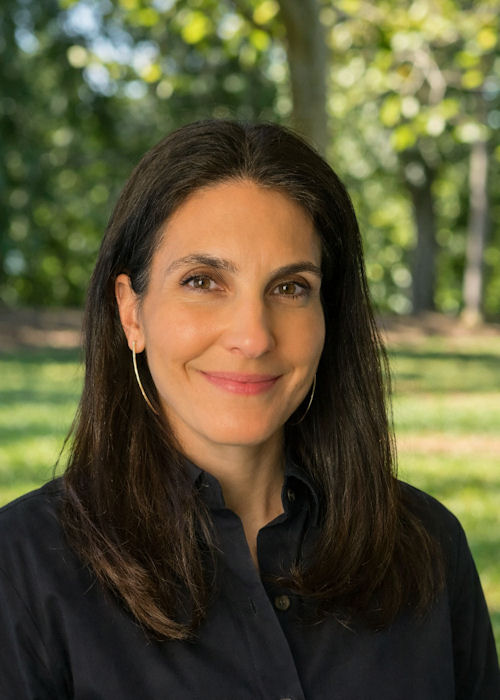
Dr. Belis Aladag is a board-certified physician in Addiction Medicine and Family Medicine, with a Master of Public Health from Johns Hopkins. She brings more than 15 years of experience in clinical care, medical education, and leadership. Recognized as a “Top Doctor” in Sacramento Magazine and Los Angeles Magazine, Dr. Aladag is dedicated to compassionate, evidence-based care and expanding access to mental health and addiction services.