


Have questions about First Steps Recovery? We're here to help.
© Copyright 2023 • First Steps Recovery • All Rights Reserved


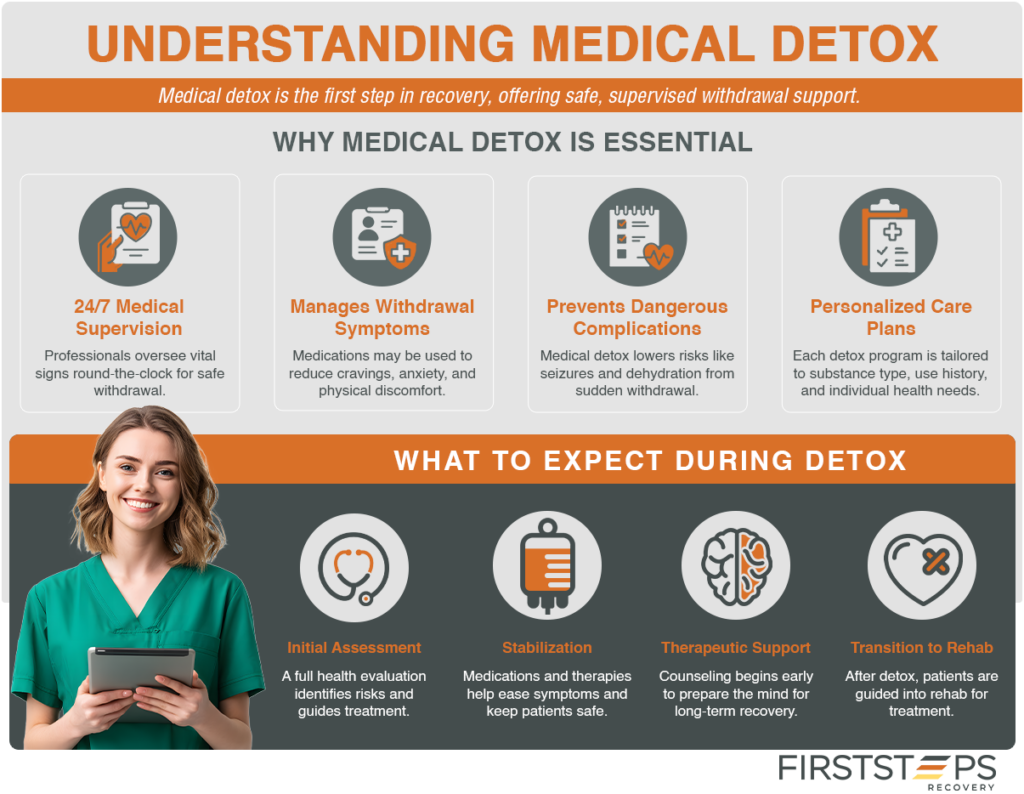
Medical detox is a crucial first step in addiction recovery, as it helps individuals safely manage the withdrawal process. It is often the starting point of detoxification programs and broader treatment for substance use disorders. Withdrawal symptoms can be intense and potentially life-threatening, and delaying the process of detox can result in relapse solely to stop the symptoms.
During medical detox, individuals are carefully monitored by healthcare professionals who specialize in addiction medicine. These professionals are trained to recognize and address any complications that may arise during the withdrawal process. Medication-assisted treatment is often part of this care, particularly for opioid use disorder and alcohol use disorder, providing supervised detoxification to help individuals overcome withdrawal symptoms and start their recovery process. In addition to medical supervision, individuals in medical detox programs often have access to individual therapy to address the psychological aspects of addiction.

During medical detox, individuals struggling with alcohol or substance abuse undergo a series of assessments to evaluate their physical health, psychological health, and potential psychological withdrawal symptoms. This includes a thorough medical history review, blood tests, and a comprehensive examination to determine the appropriate detox approach. Medical detox typically lasts from 3 to 14 days, depending on the individual’s needs. During these assessments, it is important to evaluate for chronic pain and consider the need for specialized management to ensure effective and safe detoxification.
Once individuals are prepared for detox and the detox program begins, individuals may experience withdrawal symptoms, and the process can be extremely uncomfortable without medical supervision. Symptoms may include:
It’s important to stay in constant communication with medical professionals during the detox process. Individuals undergoing detox may also experience emotional and psychological challenges, as well as feelings of vulnerability, fear, and uncertainty. It is recommended that individuals undergoing detox engage in activities that promote relaxation to help manage these changes, such as mindfulness exercises, gentle yoga, or creating art.
In a medically supervised detox program, healthcare professionals closely monitor symptoms throughout care and adjust the treatment plan to ease withdrawal symptoms. This enables them to assess the severity of withdrawal symptoms and provide different interventions depending on the substance from which the person is detoxing. The goal is to keep individuals as comfortable as possible while preparing them for the next phase of recovery.
Healthcare professionals also pay close attention to the psychological and emotional well-being of individuals undergoing detox. A medical professional can help a person experiencing withdrawal tell the difference between an uncomfortable symptom of substance abuse withdrawal and a genuine sign that something is wrong. By providing comprehensive care that speaks to the physical and emotional experience of withdrawal, healthcare professionals can support patients in their journey toward recovery.

Medications may be prescribed during detox to help manage withdrawal symptoms and minimize cravings. Common medications utilized in detox include:
Alongside medical interventions, holistic approaches to healing can play a vital role in supporting individuals during detox. Detox programs, as part of broader detoxification programs designed to support long-term recovery within an individualized treatment plan, can incorporate therapies such as:
These holistic components address the physical, mental, and emotional aspects of addiction, supporting mental wellness and physical health during detox while promoting overall well-being and a holistic approach to recovery.

Completing the detox process is a significant accomplishment, but it’s important to remember that detox alone is not sufficient for long-term recovery. Individuals must have a support system in place during this vulnerable time. This can include family, friends, sponsors, or healthcare professionals who can provide encouragement and guidance, and family involvement can help a loved one stay engaged in recovery. A supportive environment can mean the difference between continued drug or alcohol addiction and continuing the recovery process.
To sustain sobriety and address the underlying causes of addiction, individuals should transition to a comprehensive treatment program. These programs may include inpatient or outpatient rehab programs, counseling, support groups, and aftercare services. The post-detox phase sets the stage for long-term success in recovery.
Developing healthy habits and coping mechanisms is essential during the post-detox phase. This may include creating a daily routine that includes exercise, nutritious meals, adequate sleep, and stress-reducing activities. This can help to empower a person to continue their journey with fresh resources.
At First Steps Recovery, individuals can access safe, supportive, medically supervised detox programs for alcohol, opioids, and other substances to begin their journey toward recovery. With the right medical guidance, holistic support, and personalized treatment options tailored to each person’s needs and any co-occurring disorders, we work to help people build a sustainable life of sobriety beyond addiction treatment. Contact First Steps today to learn more about how we can help you on your journey.
First Steps Recovery provides medically managed withdrawal on-site at our Clovis and Shingle Springs facilities – licensed and certified for residential detoxification by the California Department of Health Care Services, and accredited by The Joint Commission.









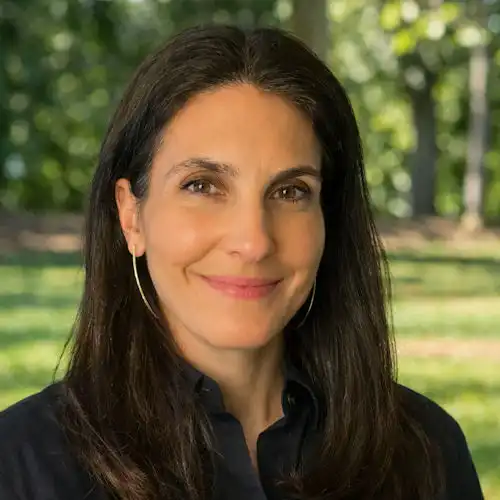
Dr. Belis Aladag is a board-certified physician in Addiction Medicine and Family Medicine, with a Master of Public Health from Johns Hopkins. She brings more than 15 years of experience in clinical care, medical education, and leadership. Recognized as a “Top Doctor” in Sacramento Magazine and Los Angeles Magazine, Dr. Aladag is dedicated to compassionate, evidence-based care and expanding access to mental health and addiction services.